
Key Takeaways
- A ten-day Kenya itinerary for luxury travellers is the ideal length to cover four distinct ecosystems - Amboseli, Laikipia, Meru and the Masai Mara - without the fatigue of over-packing your days.
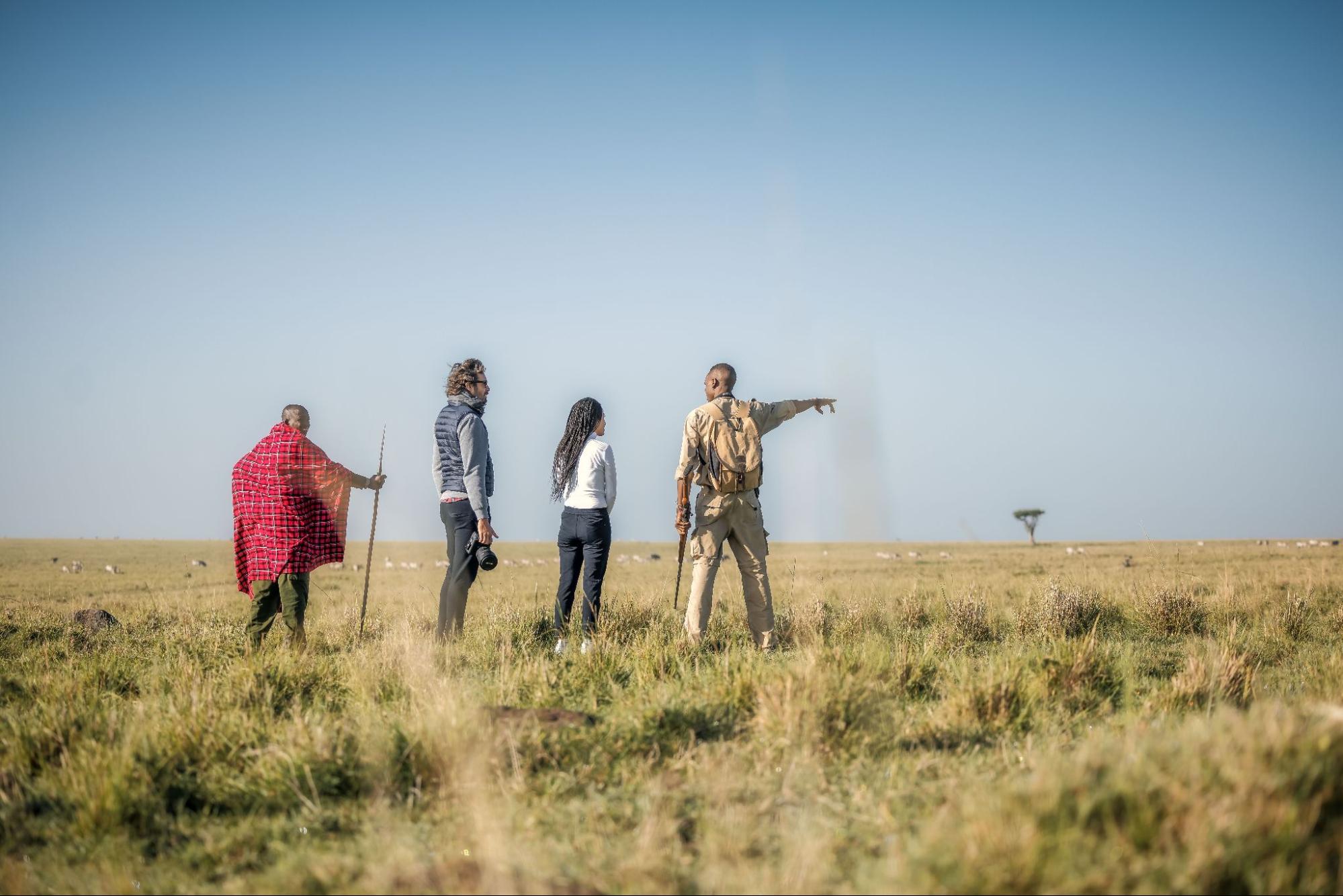
- Private conservancies, rather than crowded national reserves, are what define a genuinely luxury Kenya safari: exclusivity, night drives, walking safaris and off-road access all come as standard.
- The best time to visit depends on what you want to see - the dry season (June to October) delivers the clearest game viewing, while the short rains (November) and calving season (January to March) reward travellers who want fewer vehicles and dramatic skies.
- Elewana Collection's nine Kenya properties span every major conservancy worth visiting, from Amboseli's elephant herds to Lewa's rhino sanctuary and the Masai Mara's Great Migration.
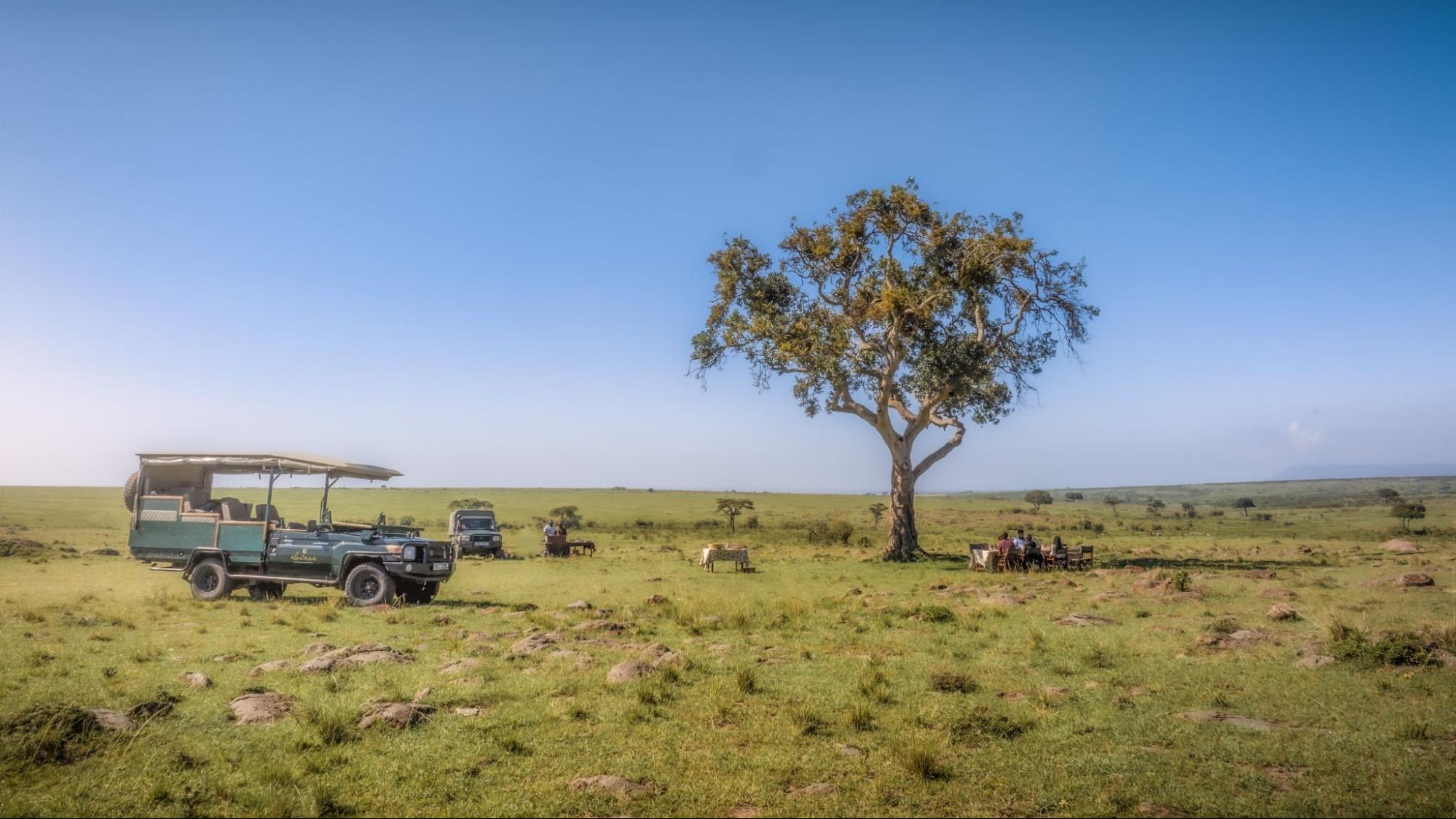
- A well-built itinerary blends signature experiences - hot-air ballooning, rhino tracking, horseback safaris and cultural encounters - with genuine downtime, rather than treating each day as a checklist.
Why Kenya Belongs at the Top of Any Luxury Traveller's List
Kenya remains the benchmark against which every other African safari destination is measured. It offers the widest range of private conservancies on the continent, a mature safari infrastructure refined over a century of hospitality, and landscapes - from Amboseli's elephant herds silhouetted against Kilimanjaro to the endless plains of the Masai Mara - that simply do not exist anywhere else in this combination.
For luxury travellers, the distinction that matters most is between a national reserve and a private conservancy. National reserves such as the Masai Mara itself are open to any licensed vehicle, which means crowded sightings and restrictions on night drives, walking safaris and off-road viewing. Private conservancies - community-owned or leased land bordering the reserves - cap visitor numbers, often to a single camp per several thousand acres, and lift those restrictions entirely. This is where a Kenya itinerary for luxury travellers should spend the bulk of its time.
How Many Days Do You Need for a Luxury Kenya Safari?
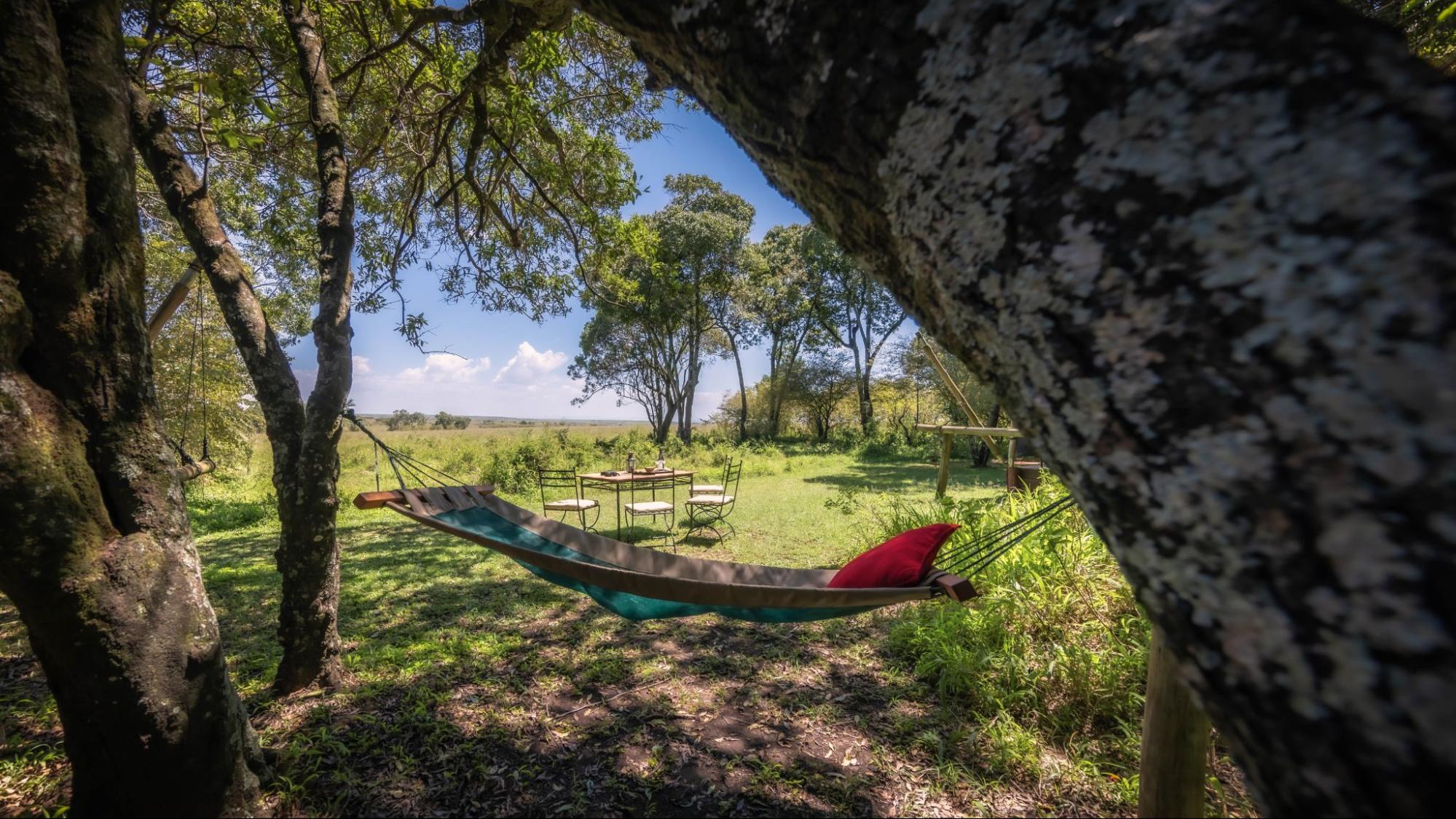
Ten days is the sweet spot for a luxury Kenya safari itinerary. It is long enough to visit three or four conservancies without the itinerary feeling rushed, and short enough to avoid the diminishing returns and fatigue that come with over-packed multi-week trips.
A shorter seven-day version works well for first-time visitors who want to focus on two regions - typically the Masai Mara paired with either Amboseli or Laikipia. Travellers with two weeks or more can add Meru National Park for its remote, Born Free heritage, or extend into Tanzania's Serengeti to follow the Great Migration across the border, or onward to a beach finale in Zanzibar.
When Is the Best Time to Visit Kenya for a Luxury Safari?
There is no single "best" month - the right time depends on what a traveller most wants from the trip.
|
Season |
Months |
What It Offers |
|---|---|---|
|
Dry season (peak) |
June - October |
Clearest game viewing, wildlife concentrated at water sources, Great Migration river crossings in the Masai Mara |
|
Short rains |
November |
Fewer vehicles, dramatic cloud-lit skies, migratory birds arriving |
|
Calving season |
January - March |
Predator action on the southern plains, lush green landscapes, excellent value |
|
Long rains |
April - May |
Quietest and most private, though some camps close and roads can be difficult |
Luxury travellers prioritising exclusivity over guaranteed sightings often prefer January to March or November, when camps are quieter and rates are typically more favourable, without materially compromising the wildlife experience within Kenya's private conservancies.
The Ultimate 10-Day Luxury Kenya Itinerary with Elewana Collection
Built entirely around Elewana Collection's own camps, this itinerary moves through four ecosystems, each offering a genuinely different character rather than a repeat of the same game drive.
Days 1-3: Amboseli - Elephants Beneath Kilimanjaro
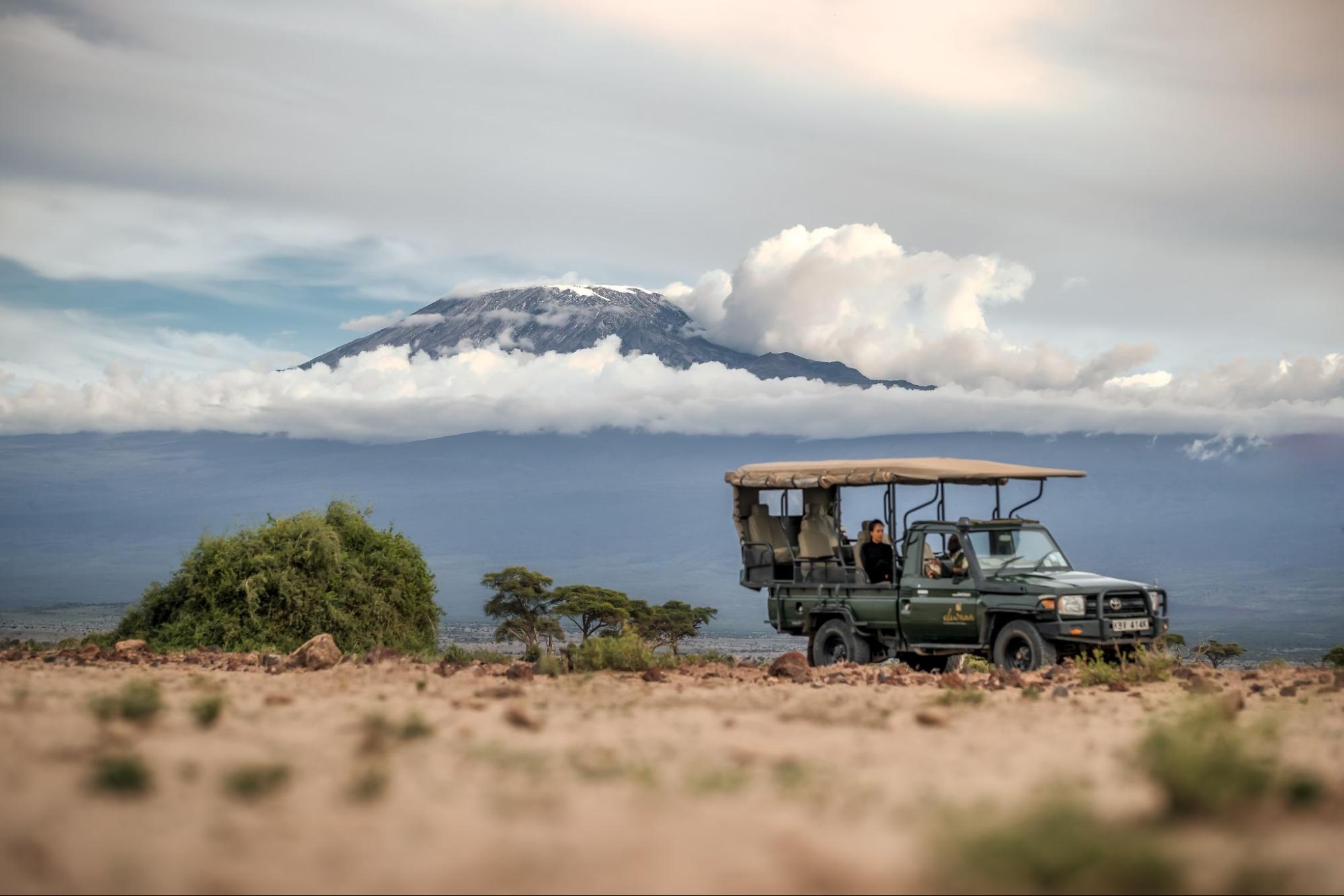
Begin in Amboseli, home to some of Africa's largest-tusked elephant herds set against the backdrop of Mount Kilimanjaro. Base yourself at Tortilis Camp in the Kitirua Private Conservancy, bordering the national park - its raised position and shaded acacia setting deliver Kilimanjaro views without the crowds of the park itself.
Days here begin before sunrise, when elephant herds move across the plains while the mountain is still visible ahead of the midday cloud. Amboseli's "big tuskers" - a genetically rare population whose tusks reach almost to the ground - are among the most photographed animals in Africa, and a private conservancy setting means encountering them without another vehicle in sight. Evenings close with sundowners from a raised viewpoint as Kilimanjaro turns pink in the fading light.
Days 4-5: Laikipia - Conservation and Adventure on the Plateau
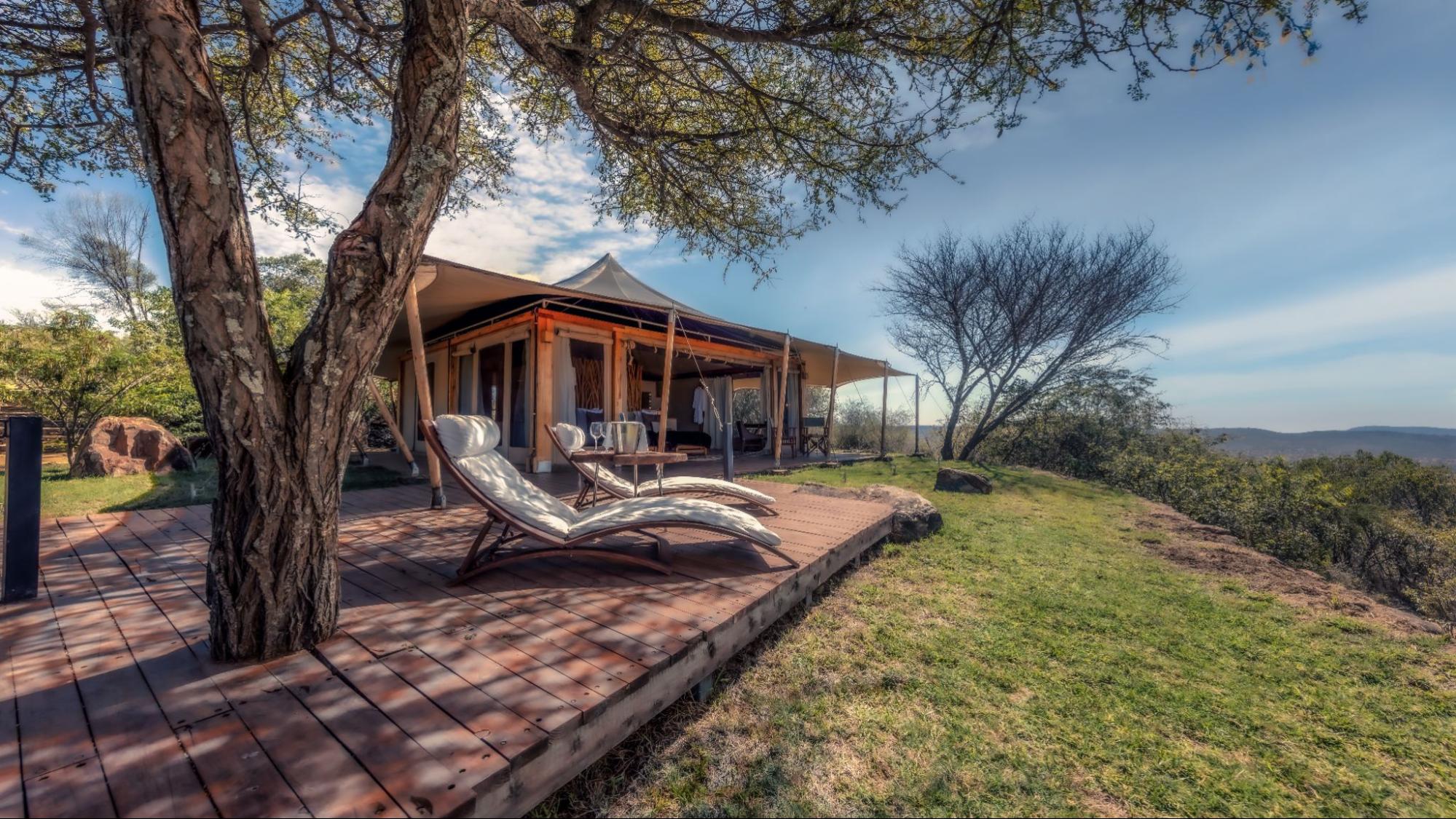
Fly north to Laikipia, Kenya's pioneering conservation landscape and the best region in the country for activities beyond the traditional game drive. Loisaba Tented Camp and its sister properties, Loisaba Star Beds and Loisaba Lodo Springs, sit within the Loisaba Conservancy - a landscape built around rhino reintroduction, camel safaris, mountain biking and open-air sleep-outs under the stars.
The signature moment here is the sleep-out: a "star bed" is wheeled onto an open platform for the night, with nothing between the mattress and the sky. By day, Loisaba's conservation work is visible everywhere - this is a landscape actively rebuilding its rhino population and managing predator movement alongside the communities that border it, and guides here are as likely to talk conservation as they are game tracking.
Days 6-7: Lewa - Rhino Sanctuary and Big Five Country
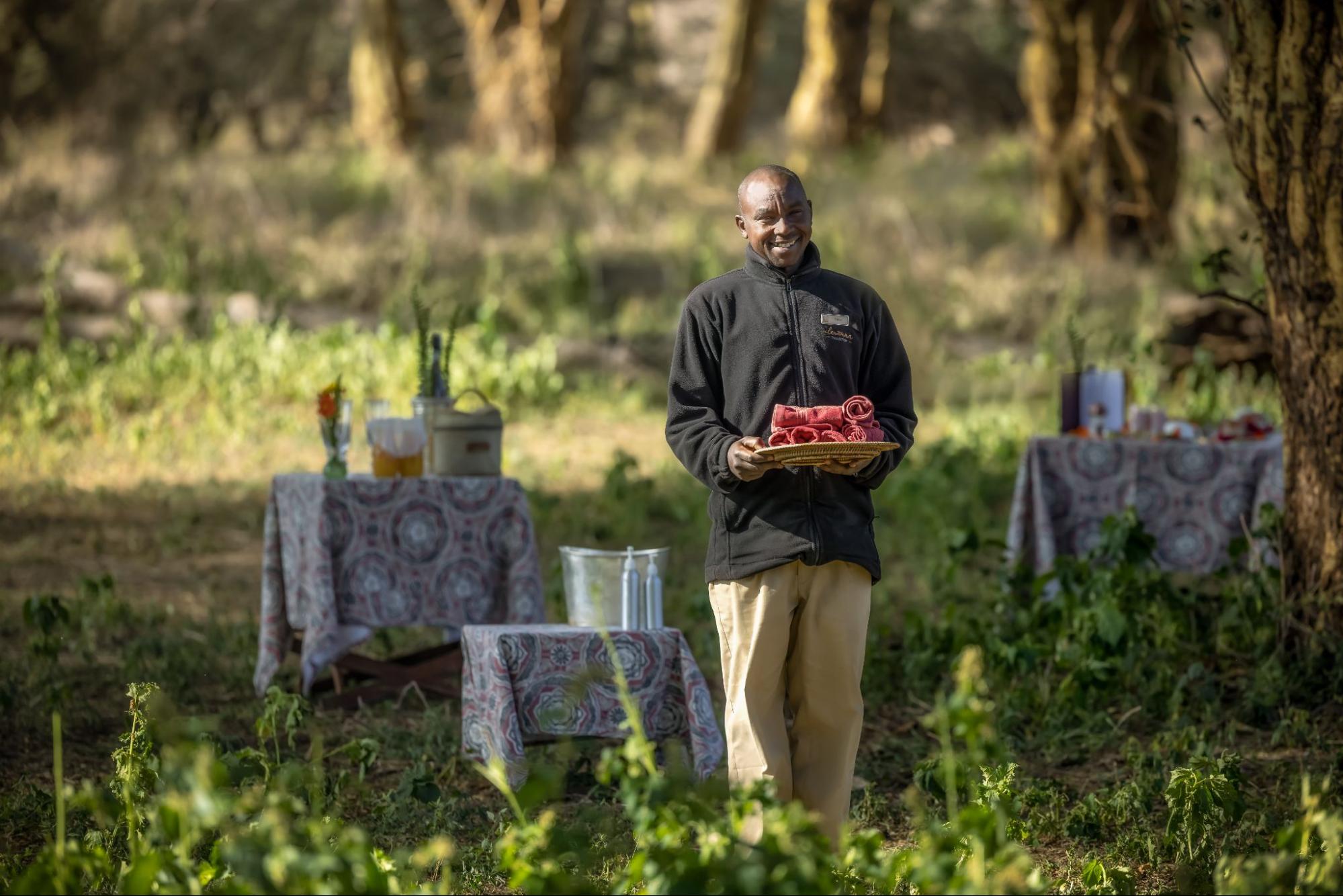
A short flight brings travellers to the Lewa Wildlife Conservancy, a UNESCO World Heritage Site and one of Africa's most significant black and white rhino sanctuaries. Kifaru House offers an intimate, four-suite setting for those wanting total privacy, while Lewa Safari Camp suits families and slightly larger groups.
Rhino tracking here is done on foot, guided by the same rangers who monitor Lewa's black and white rhino population daily - one of the most successful rhino recovery stories in East Africa. Horseback safaris are also on offer for confident riders, covering ground a vehicle cannot reach and approaching plains game that is often more relaxed around horses than engines.
Days 8-10: Masai Mara - The Great Migration and the Big Five
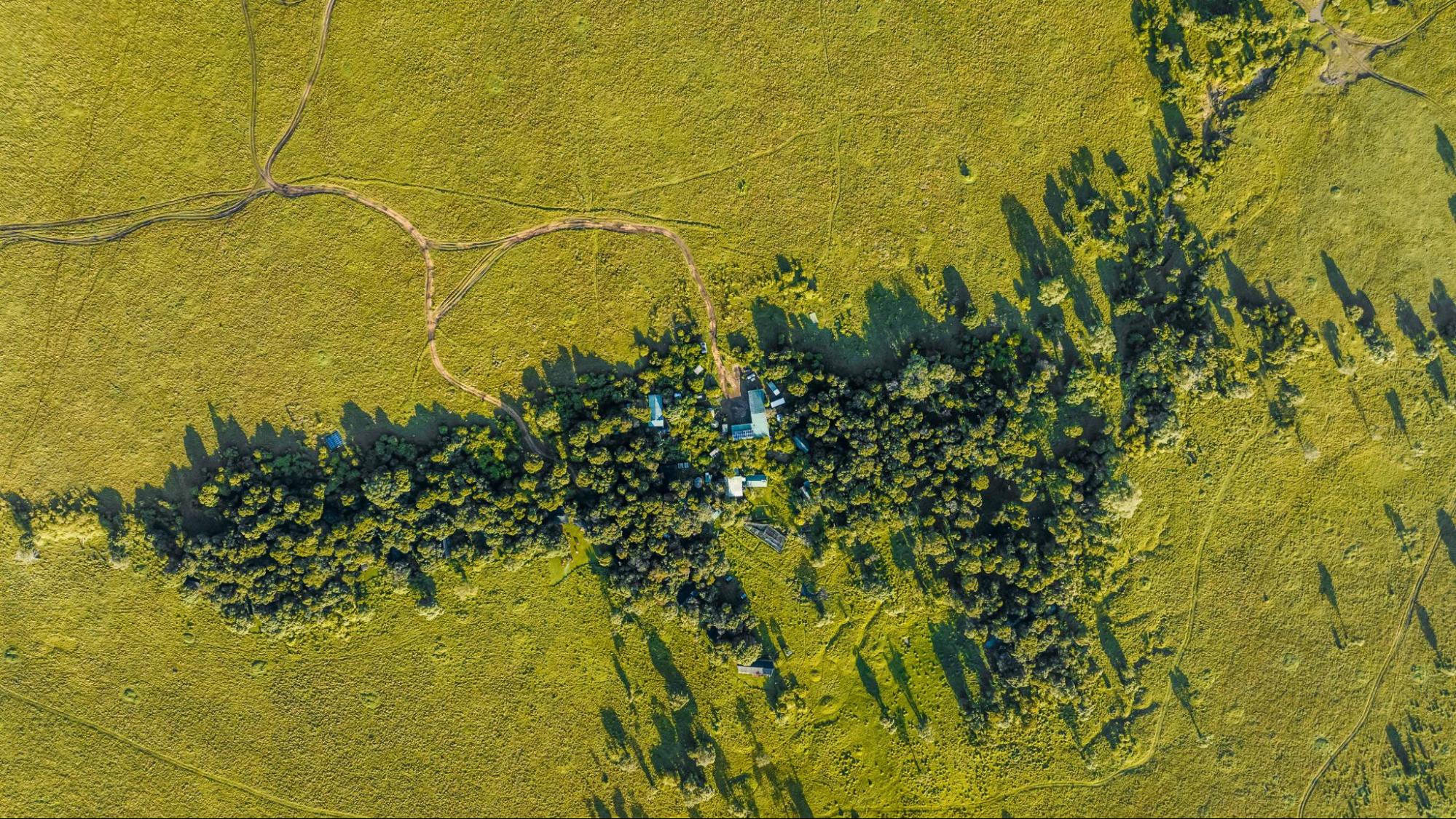
No Kenya itinerary for luxury travellers is complete without the Masai Mara. Sand River Masai Mara, on the border with Tanzania's Serengeti, offers a colonial-inspired setting on its namesake river, while Elephant Pepper Camp sits within the private Mara North Conservancy, prized for its walking safaris and off-road access.
July through October is when the Great Migration's herds are most likely to be encountered crossing into the Mara itself, though both camps deliver strong Big Five sightings well outside that window too. The real difference between the two is the difference between reserve and conservancy: Sand River sits within easy reach of the Masai Mara National Reserve's classic scenery, while Elephant Pepper Camp's private Mara North setting allows for walking safaris and off-road driving that the reserve itself does not permit.
Where to Stay: Elewana Collection's Camps Across Kenya's Finest Conservancies
Every camp below belongs to Elewana Collection. Between them, they cover Kenya's most compelling private conservancies without a single compromise on location or access — including Elsa's Kopje in Meru, for travellers extending this itinerary beyond ten days.
|
Camp |
Region |
Signature Experience |
Best For |
|---|---|---|---|
|
Tortilis Camp |
Amboseli / Kitirua Conservancy |
Elephant herds beneath Kilimanjaro |
First-time visitors, honeymoons |
|
Loisaba Tented Camp |
Laikipia |
Conservation, mountain biking, camel safaris |
Active travellers, families |
|
Loisaba Star Beds |
Laikipia |
Open-air sleep-outs under the stars |
Couples, once-in-a-lifetime moments |
|
Kifaru House |
Lewa Conservancy |
Rhino tracking, total privacy |
Small groups, exclusive-use bookings |
|
Lewa Safari Camp |
Lewa Conservancy |
Rhino conservation, horseback safaris |
Families |
|
Elsa's Kopje |
Meru National Park |
Remote, Born Free heritage |
Travellers seeking solitude |
|
Sand River Masai Mara |
Masai Mara / Tanzania border |
Great Migration, colonial-era setting |
Migration season travellers |
|
Elephant Pepper Camp |
Mara North Conservancy |
Walking safaris, off-road access |
Purist safari travellers |
Signature Experiences for Luxury Travellers
- Rhino tracking on foot at Lewa Wildlife Conservancy, guided by armed rangers involved in the animals' daily monitoring.
- Hot-air ballooning over the Masai Mara at dawn, followed by a champagne breakfast on the plains.
- Horseback safaris across Laikipia's open grasslands, where wildlife is accustomed to horses and allows closer approach than a vehicle.
- Sleep-outs under the stars at Loisaba Star Beds, with a mobile "star bed" wheeled onto a platform for the night.
- Cultural encounters with Maasai and Samburu communities, arranged respectfully and led by community members themselves.
- Night drives and off-road game viewing, permitted only within private conservancies and unavailable in Kenya's national reserves.
What Does a Luxury Kenya Safari Cost?
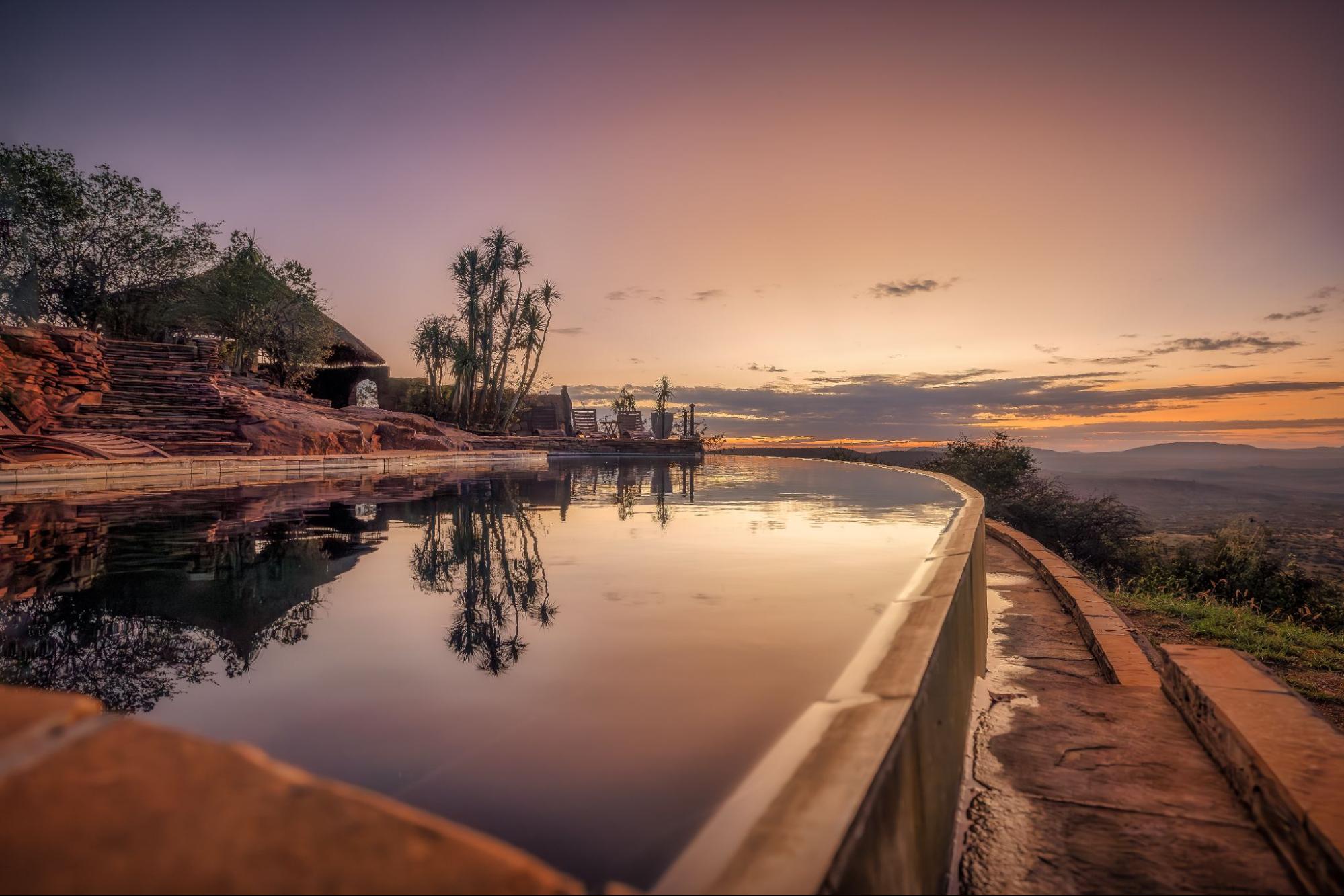
Elewana Collection's nightly rates generally range from around US$584 to over US$2,400 per person, depending on the season, room type, and whether you choose a Full Board or Game Package plan. As a broad guide, private conservancy camps in Kenya typically price at a premium to national reserve lodges, reflecting the lower guest density, exclusive activities and conservation fees that fund the surrounding land.
Rates by Season
|
Season |
Dates |
2026 Full Board |
2026 Game Package |
2027 Full Board |
2027 Game Package |
|
High Season |
1 July - 31 October; 20 December - 3 January |
Averages around US$935 |
Averages around US$1,190 |
Averages around US$955 |
Averages around US$1,250 |
|
Mid Season |
4 January - 31 March; 1-30 June; 1 November - 19 December |
Averages around US$695 |
Averages around US$930 |
Averages around US$705 |
Averages around US$970 |
|
Green Season |
1 April - 31 May |
Averages around US$495 |
Averages around US$735 |
Averages around US$525 |
Averages around US$760 |
What's Included
- Full Board (FB): accommodation, all meals, soft drinks, beer, house wines and select spirits on property, and laundry services.
- Game Package (GP): everything in Full Board, plus shared scheduled game drives and select scheduled camp activities.
- Typically excluded: premium champagne, cellar wines, park entry fees, concession and conservancy fees, and flights.
What a Trip Like This Actually Costs
For the nine-night itinerary in this article, camp rates alone work out to roughly US$4,500 to US$11,500 per person, depending on season, year and whether you book Full Board or a Game Package — before flights and park fees. Light aircraft transfers between camps add meaningfully to that total and are usually quoted separately, so budget for them as a distinct line item rather than assuming they are bundled into camp rates.
Extending the Adventure: Beyond Kenya
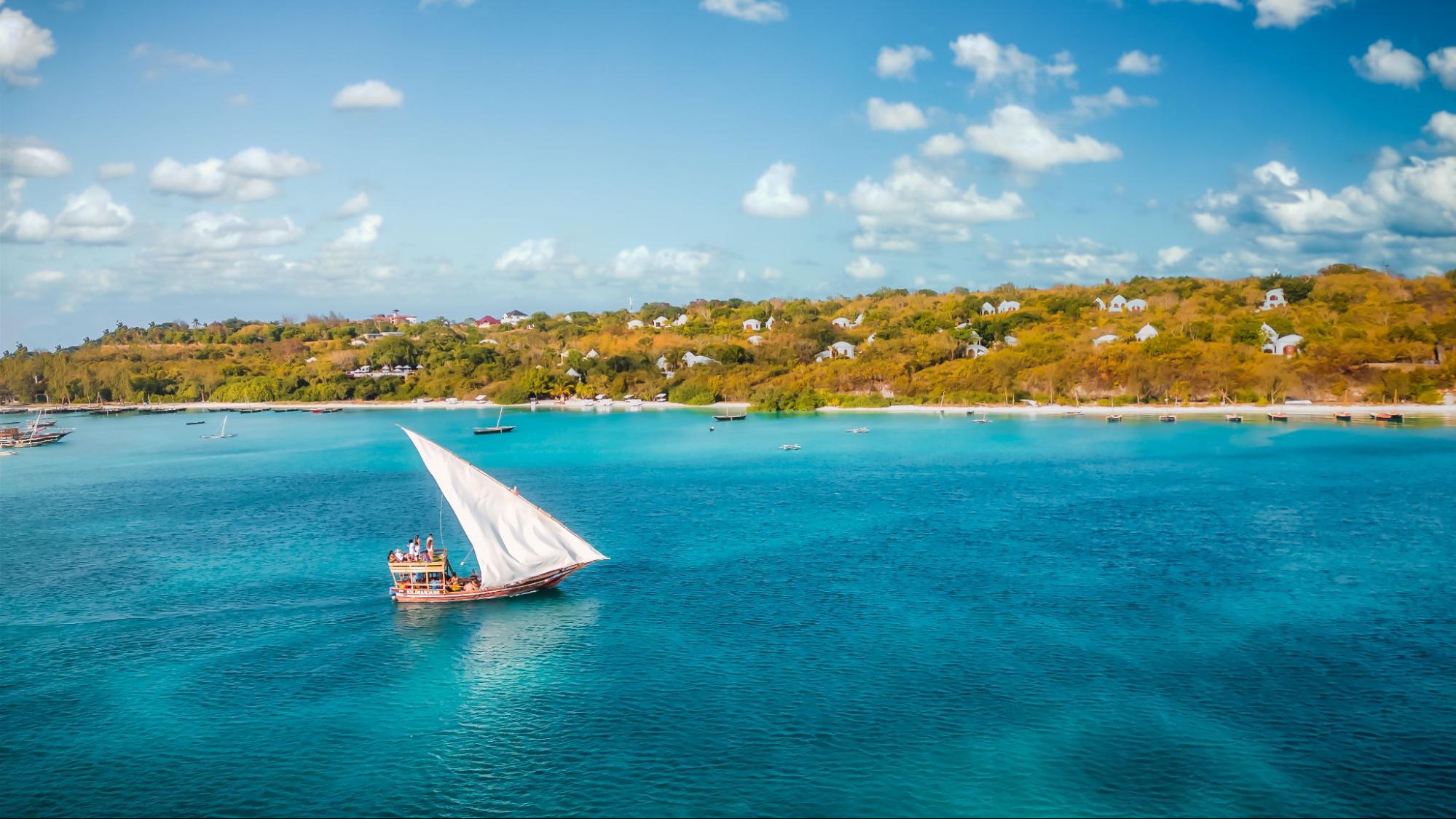
Kenya pairs naturally with Elewana's Tanzania properties for travellers with more time. The Serengeti's Great Migration can be followed north across the border, and a beach finale at Kilindi Zanzibar provides a natural close to a longer journey - pairing bush with beach in the way many of Kenya's most experienced luxury travellers now expect.
Frequently Asked Questions About Planning a Luxury Kenya Itinerary
How many days do you need for a luxury Kenya safari itinerary? Ten days is generally considered the ideal length, allowing time for three to four conservancies without over-packing the schedule. Seven days works for a focused two-region trip, while two weeks or more allows for a Tanzania or beach extension.
When is the best time to visit Kenya for a luxury safari? June to October offers the clearest game viewing and coincides with the Great Migration's river crossings in the Masai Mara. January to March, the calving season on the southern plains, and November's short rains both offer quieter camps and strong value without materially compromising wildlife sightings.
What is the difference between a private conservancy and a national reserve in Kenya? Private conservancies cap the number of vehicles and guests permitted at any one time and allow night drives, walking safaris and off-road viewing - all restricted or prohibited in national reserves such as the Masai Mara National Reserve itself.
How much does a luxury Kenya safari itinerary cost? Costs depend on the camps chosen, season and trip length. Private conservancy camps generally sit at a premium to national reserve lodges, reflecting lower guest density and conservation fees. Current rates are best confirmed directly with Elewana Collection.
Can a Kenya itinerary be combined with Tanzania or a beach extension? Yes. Kenya's Masai Mara borders Tanzania's Serengeti, making a cross-border Great Migration itinerary straightforward, and a beach extension to Zanzibar is a popular way to close a longer trip.
What wildlife can you expect to see on a luxury Kenya safari? Beyond the Big Five, Kenya's private conservancies are particularly strong for black and white rhino (Lewa), large-tusked elephant (Amboseli) and, during the dry season, the Great Migration's wildebeest and zebra herds in the Masai Mara.
Conclusion
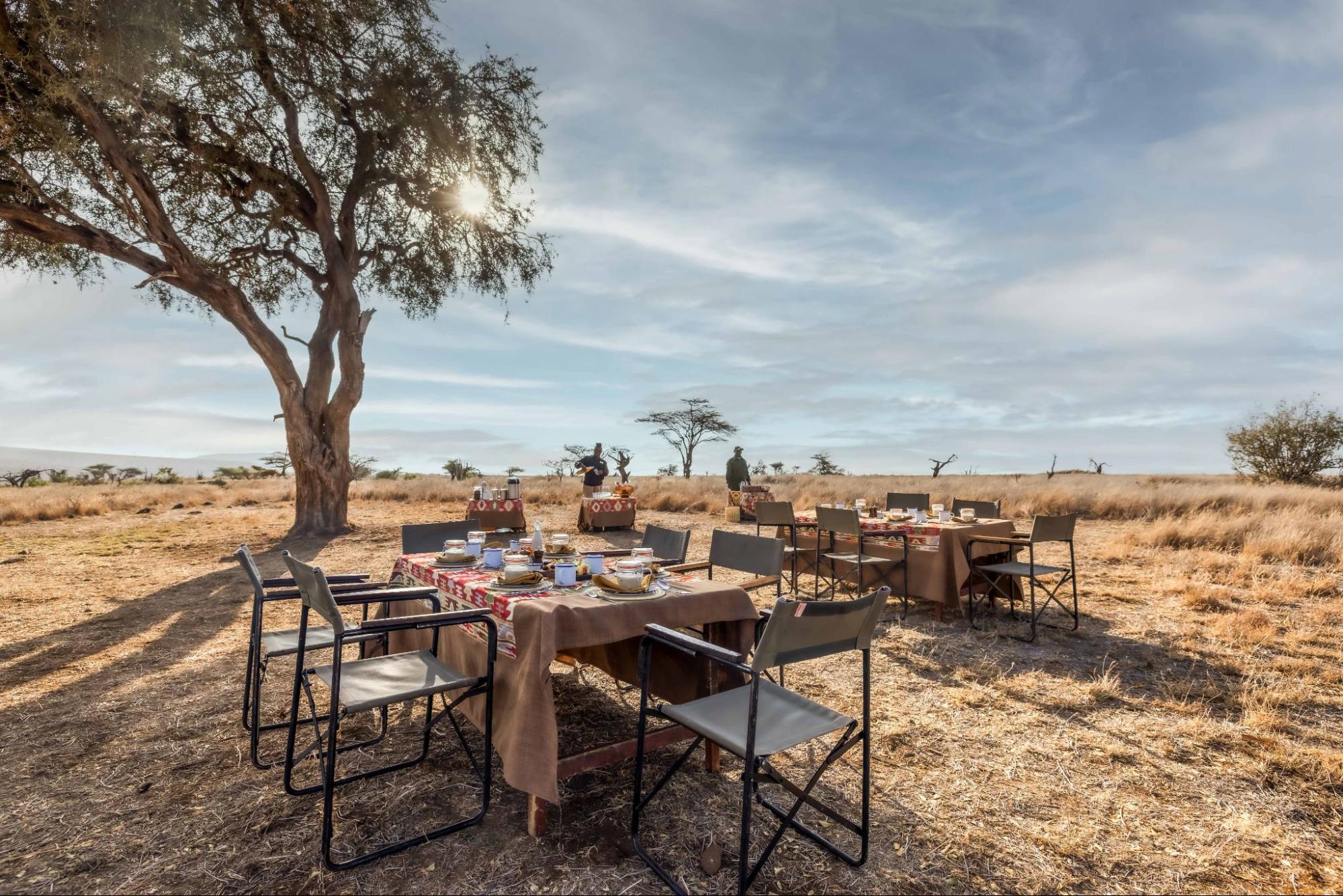
The ultimate Kenya itinerary for luxury travellers is not defined by ticking off the most parks in the shortest time - it is defined by the quality of access that private conservancies provide, and by pairing that access with camps whose character matches the landscape they sit within. Ten days across Amboseli, Laikipia, Lewa and the Masai Mara, staying within Elewana Collection's conservancy camps throughout, delivers exactly that balance.
Ready to start planning? Enquire with Elewana Collection to build a Kenya itinerary around your travel dates and priorities.
