
Key Takeaways
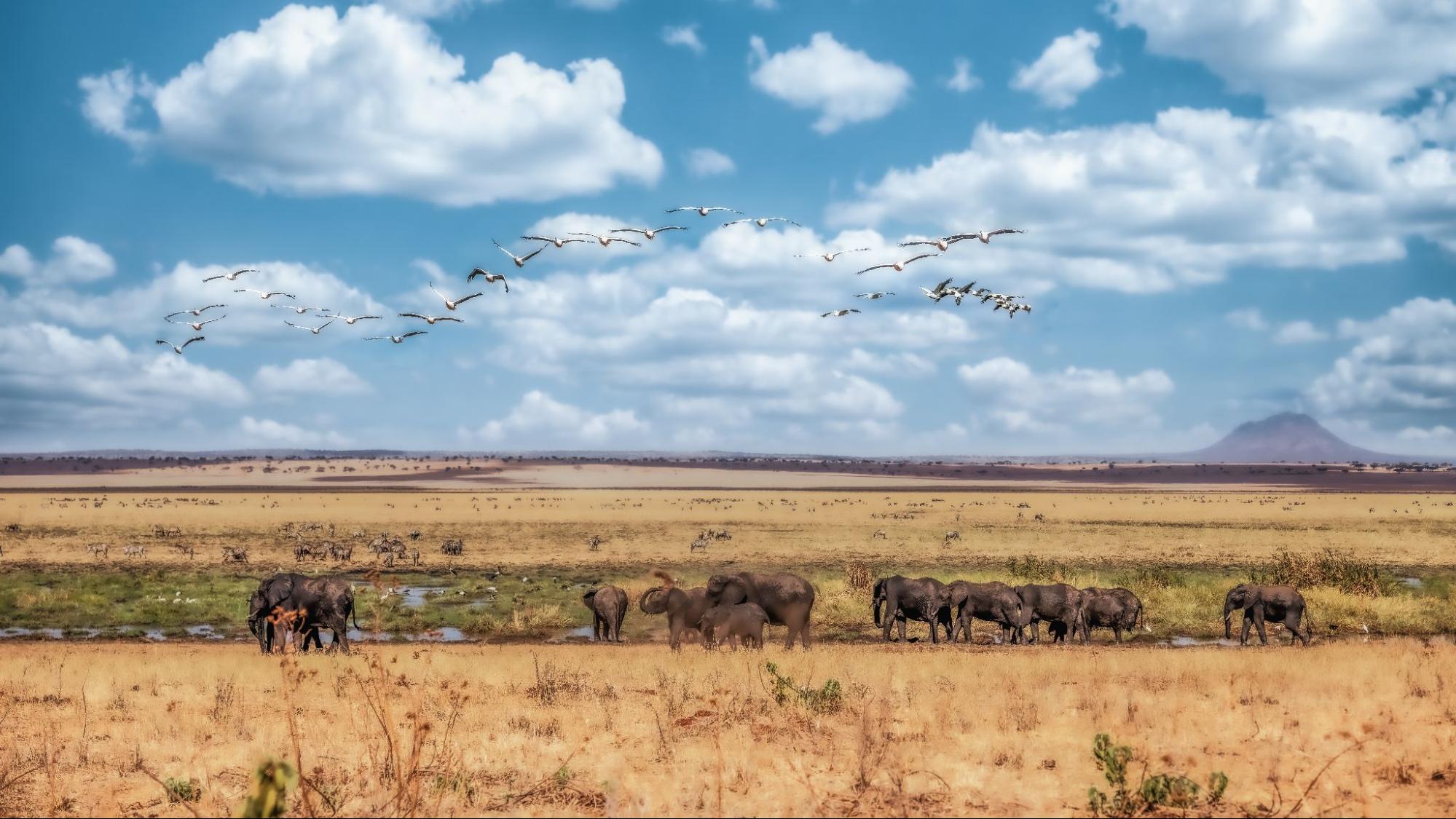
- The dry season (June to October) brings Tarangire's famous concentration of elephant, predators and plains game around the Tarangire River, and is the park's most reliable game-viewing window.
- July to November is when sightings peak most sharply, as wildlife gathers at what is often the only significant water source for miles before the rains disperse it.
- The wet season (November to May) turns Tarangire into one of East Africa's finest birdwatching destinations, with over 550 species recorded, alongside noticeably quieter camps and lower rates.
- Elewana's Tarangire Treetops sits within the private Randilen Wildlife Management Area rather than inside the national park's core, so guests can enjoy night game drives and guided walking safaris year-round: activities the park itself does not permit.
- Tarangire's dry-season wildlife concentration is often loosely called a "migration," but it is a distinct, localised phenomenon, not the Serengeti–Maasai Mara Great Migration, and worth understanding before planning a combined circuit.
When Is the Best Time to Visit Tarangire National Park?
The best time to visit Tarangire National Park is during the dry season, from June to October, when wildlife concentrates around the Tarangire River and game viewing is at its most reliable. Sightings tend to peak most sharply between July and November, as elephant, predators and plains game gather at what is often the only significant water source for miles before the short rains arrive and disperse them back across the wider ecosystem.
That single answer, however, only tells part of the story. Tarangire runs on four distinct seasonal rhythms rather than a simple wet-dry split, and each one rewards a different kind of safari, from the driest, dustiest weeks of elephant spectacle to a quieter, greener window that delivers some of the best birdwatching in East Africa.
Tarangire's Seasons at a Glance
|
Season |
Months |
Character |
|---|---|---|
|
Long dry season |
June–October |
The sunniest, driest stretch of the year and the park's undisputed high season, when wildlife has nowhere left to go but the river |
|
Short dry / transitional |
January–March |
Largely dry with green scenery still lingering from the short rains, and, by several operators' own seasonal data, the year's strongest birding window |
|
Long rains |
April–May |
The heaviest rainfall of the year, bringing the lowest rates and the quietest camps (Elewana's own "Green Season") |
|
Short rains |
November–December |
The first rains of the cycle, a landscape in rebirth, and the return of Tarangire's migrant bird species |
Tarangire Weather: Dry Season vs Wet Season
|
Dry Season (Jun–Oct) |
Wet Season (Nov–May) | |
|---|---|---|
|
Average day temperature |
c. 25°C |
c. 28°C |
|
Average night temperature |
c. 14°C |
n/a |
|
Rainfall |
Under 1mm/month |
80mm (Jan) to 166mm (Apr) |
|
Humidity |
Low |
High |
Climate figures are seasonal averages. For detailed regional data, see the Tanzania Meteorological Authority, the government body responsible for national climate records.
Note for the content team: the TMA's public data portal requires login credentials, so the outbound link above points to the authority itself rather than a specific figures page. Worth confirming whether reservations or product hold a direct TMA or WMO station-normals citation before this goes live.
The Dry Season in Tarangire (June–October): What to Expect
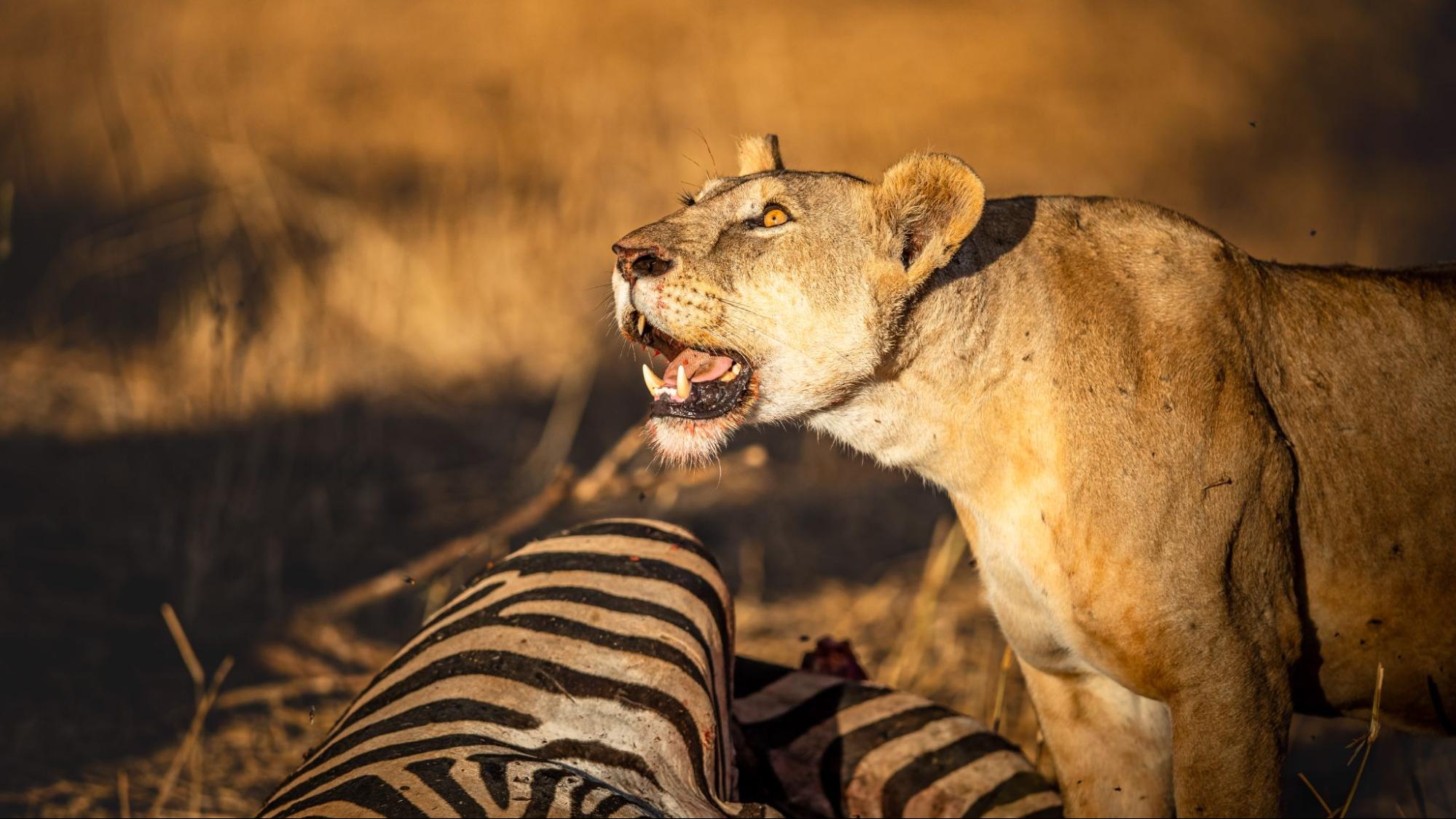
This is Tarangire at its most dramatic. The Tarangire River becomes the region's lifeline, drawing elephant herds in from well beyond the park's own boundaries as every other water source for miles dries up. As the season progresses from June into October, vegetation thins, visibility opens up, and predator density builds steadily alongside the concentration of plains game: lion, leopard and hunting dog all become easier to find as their prey has fewer places left to hide. Days are warm and reliably sunny, mornings are cool enough for a fleece at the vehicle's open sides, and rain is a rare interruption rather than a real planning risk. It is both the national park's and Tarangire Treetops' high season, and bookings for July through October should be made well in advance.
The Short Dry Window (January–March): A Quieter Alternative
Less widely discussed than the long dry season, but a genuine window in its own right. January to March is largely dry, with the greenery from the short rains still lingering across the landscape, giving photographs a richness the dustier months don't offer. It is also, by most operators' seasonal data, the best birding window of the year, with well over 550 resident and migratory species recorded in and around the park during these months. Game viewing is not at its dry-season peak, but camps are quieter and the balance of scenery, birdlife and wildlife makes this an underrated alternative for travellers who have already done a classic dry-season safari elsewhere.
The Rainy Seasons (April–May and November–December): The Case for Off-Peak
Tarangire's rains fall in two distinct spells, and they are worth telling apart rather than lumping together as one indistinct "wet season." The long rains, April and May, are the heavier of the two and correspond to Elewana's own Green Season, running from 1 April to 31 May, with the lowest rates of the year. The short rains, November and December, are lighter and more intermittent, marking the start of the wet cycle rather than its peak. In both spells, wildlife disperses from the Tarangire River out into the surrounding conservancies, including the Randilen Wildlife Management Area, which means camps positioned there can still deliver strong sightings even as the core park's day-drive game visibly thins.
What to expect in the rains:
- Lush, green landscapes and some of the best birdlife of the year, as migrant species return and resident species come into breeding plumage
- Noticeably lower rates and quieter camps, with Elewana's Green Season running from 1 April to 31 May
- Some day-drive routes affected by rain and softer ground, occasionally requiring a change of route
- Wildlife dispersing toward surrounding conservancies rather than disappearing entirely: sightings shift in character rather than stopping altogether
Best Time to See Tarangire's Elephant Herds
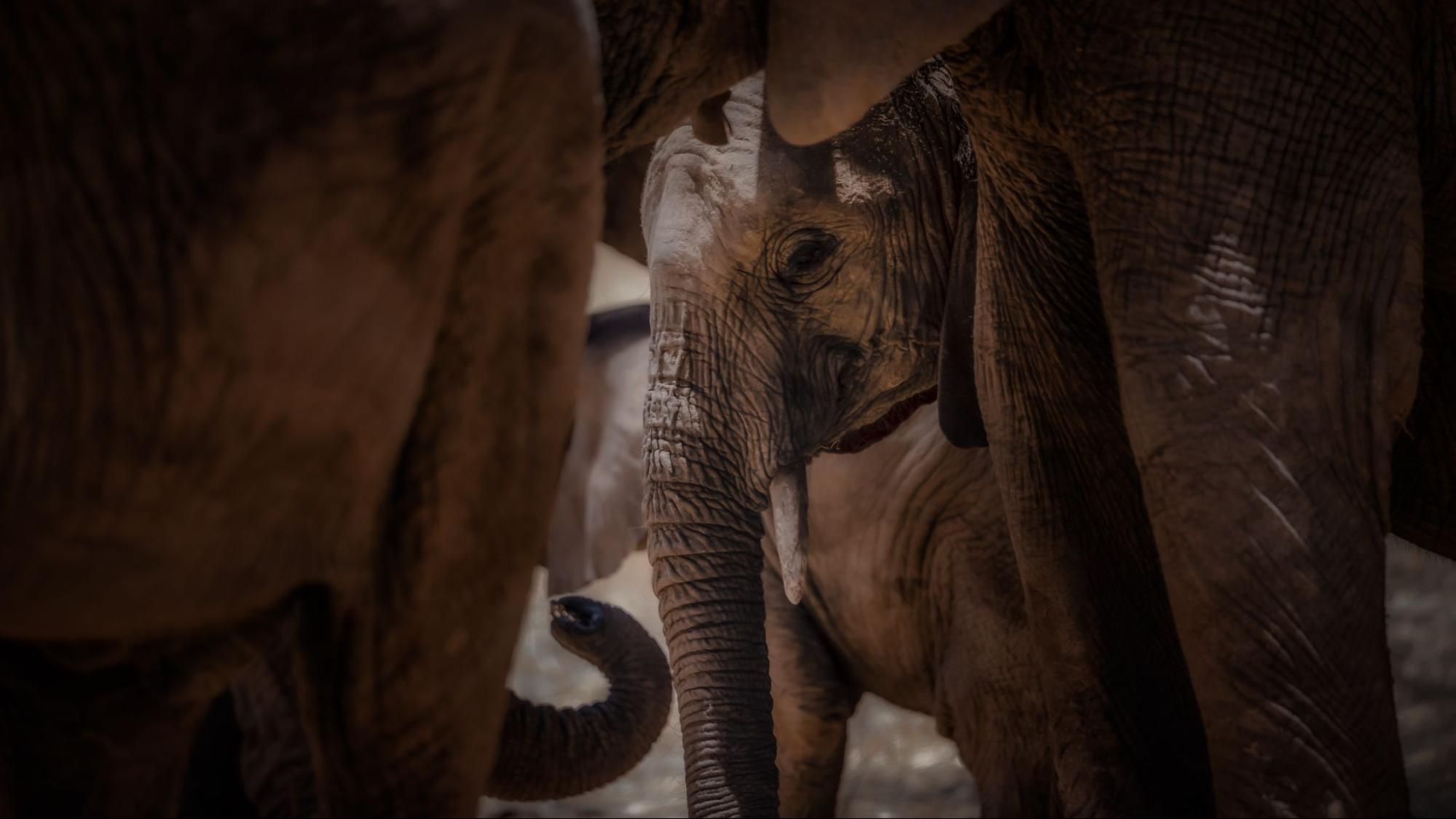
If there is one reason travellers choose Tarangire over other northern Tanzania parks, it is the elephants. The dry-season concentration around the river, from June through October, remains the single most reliable window to see them in genuinely large numbers, as herds converge from across the wider ecosystem to drink. But Tarangire's elephant story does not switch off once the rains arrive: resident herds remain present in and around the park year-round, thanks to permanent water sources and the protection afforded by conservancies bordering the core park. In practice, that means elephant sightings at Tarangire are rarely a matter of "if", only of scale, and the dry season is when that scale is at its most spectacular.
Is the "Tarangire Migration" the Same as the Great Migration?
No. Tarangire's dry-season wildlife movement is a genuine phenomenon, but it is a localised one: elephant and plains game concentrating toward the Tarangire River as the dry season progresses, not the cross-border wildebeest and zebra migration that moves between the Serengeti and the Maasai Mara. The two are sometimes described in similar language, which can set the wrong expectations for travellers planning to combine a Tarangire stay with a Serengeti leg of their trip. Anyone chasing the river-crossing spectacle of the Great Migration should look to the Serengeti rather than Tarangire, while anyone drawn specifically to elephant density and baobab-studded scenery is in exactly the right park.
Beyond the Park: Why Tarangire Treetops' Setting Changes the "Best Time" Calculus
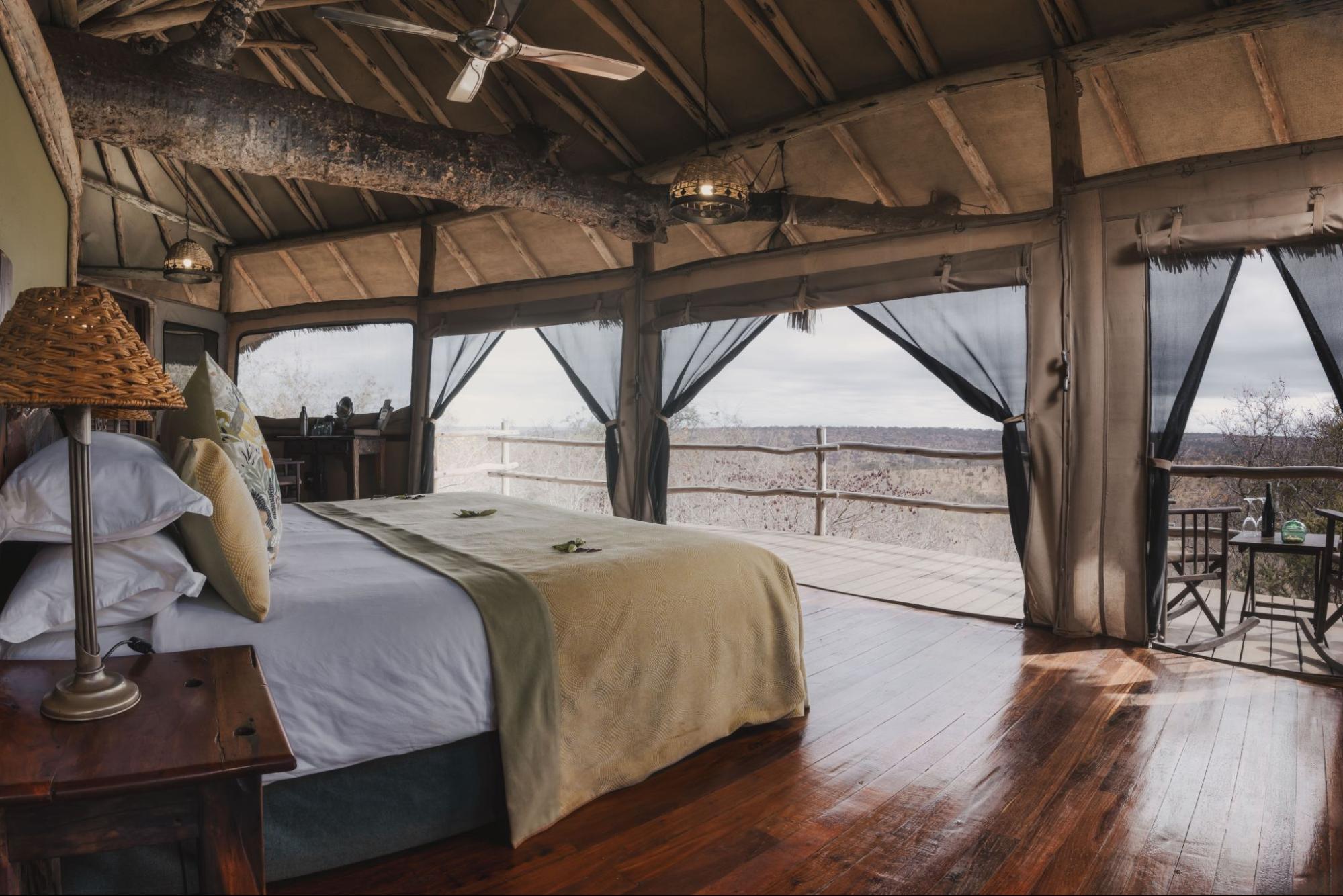
Everything above describes Tarangire National Park itself, where activities are governed by Tanzania's national park regulations. Elewana Tarangire Treetops sits outside that boundary, within the Randilen Wildlife Management Area, a private conservancy bordering the park and managed in partnership with the Honeyguide Foundation. That distinction matters for timing, because a conservancy operates under different rules to a national park core. At Tarangire Treetops, guests can join night game drives and guided walking safaris: both activities that Tanzania's national parks do not permit within their boundaries.
That, in turn, changes which season suits which experience. Walking safaris and birdwatching are especially rewarding in the wetter months, precisely when the core park's day-drive sightings are thinning as wildlife disperses into the surrounding conservancies. In other words, the "best time" question has two different answers depending on what you want from your days: the dry season for the most concentrated game drives, or the wetter months for walking, birding and activities the park itself simply doesn't offer.
High Season vs Low Season at Tarangire Treetops: Crowds and Rates
|
Season |
Elewana Dates |
Character |
|---|---|---|
|
High season |
1 Jul–31 Oct, 20 Dec–3 Jan |
The driest, busiest window and prime time for classic dry-season game viewing |
|
Shoulder season |
4 Jan–31 Mar, 1–30 Jun, 1 Nov–19 Dec |
Still largely dry, noticeably quieter, and strong for birding |
|
Green season |
1 Apr–31 May |
The heaviest rains, the lowest rates and the quietest camps of the year |
These dates are Tarangire Treetops' own, so travellers weighing crowd levels against rates should treat this table, rather than the park's general seasonal calendar, as the definitive reference for planning a stay. Full current rates are confirmed on the Tarangire Treetops rates and seasons page.
How Many Days Should You Spend at Tarangire?
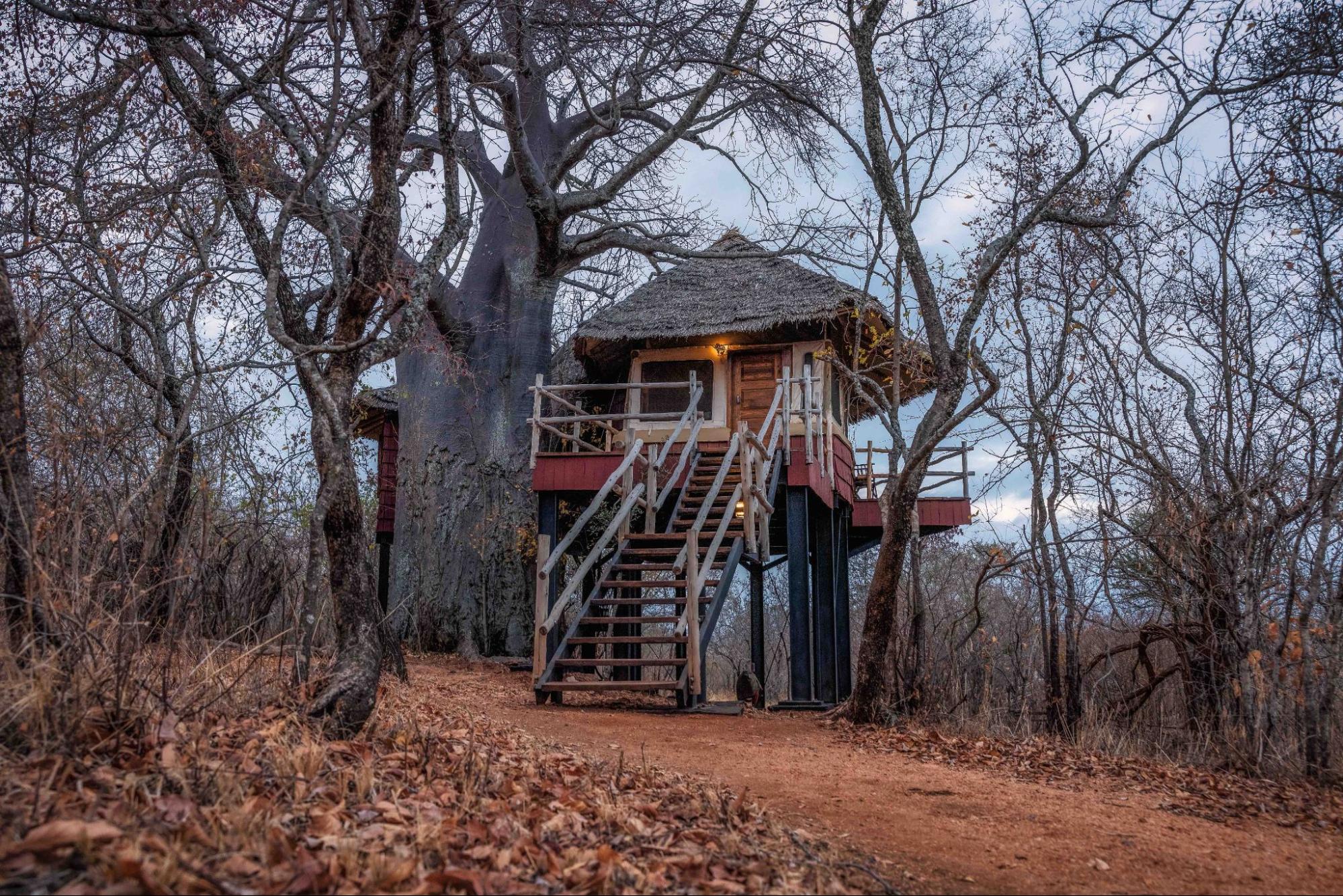
Two to three nights is the sweet spot for most itineraries. That is enough time to build in both a dawn and a dusk game drive, plus at least one night drive or walking safari, activities only possible because of Tarangire Treetops' setting within the Randilen Wildlife Management Area, without pulling too much time away from the Serengeti and Ngorongoro legs of a wider northern circuit. Travellers with more flexible schedules, or a particular interest in birding during the short dry or wet seasons, may want to extend to four nights; those tightly circuit-planning a first safari can still see Tarangire's headline wildlife in two. Get in touch via our reservations enquiry page to work out the right balance for your itinerary.
Frequently Asked Questions About the Best Time to Visit Tarangire National Park
What is the best month to visit Tarangire National Park?
September is generally considered the single best month, as vegetation reaches its sparsest and water sources their scarcest, pushing wildlife concentration around the Tarangire River to its peak. More broadly, the entire dry season from June to October delivers consistently strong game viewing, with July through November rated the best overall window by several established safari operators.
Is Tarangire worth visiting outside the dry season?
Yes. The wet season brings exceptional birding, with over 550 species recorded, lush green scenery, quieter camps and lower rates. At Tarangire Treetops specifically, walking safaris and night drives remain excellent throughout the wet season too, since the Randilen Wildlife Management Area setting isn't dependent on the park's dry-season, day-drive wildlife concentration in the way a stay inside the park core would be.
Is the Tarangire migration the same as the Great Migration?
No. Tarangire's dry-season movement is a localised concentration of elephant and plains game toward the Tarangire River, not the cross-border wildebeest and zebra migration between the Serengeti and the Maasai Mara. The two are unrelated phenomena that happen to share loose, informal use of the word "migration."
When is the best time to see elephants in Tarangire?
The dry season, June to October, offers the most reliable single-visit concentration as herds converge on the river from across the wider ecosystem. Resident elephant herds are present in and around Tarangire year-round, though, thanks to the park's permanent water and the protection of bordering conservancies such as Randilen, so elephant sightings are rarely in doubt, only their scale.
How many days should I spend at Tarangire?
Two to three nights is the recommended stay for most circuits, enough to include a night drive or walking safari without crowding out the rest of a northern Tanzania itinerary. Get in touch and our team can help plan the right balance for your trip.
Can I do a walking safari or night drive at Tarangire at any time of year?
Yes, at Tarangire Treetops. Because the lodge sits within the Randilen Wildlife Management Area rather than the national park itself, both activities are available year-round, unlike inside the park core, where Tanzania's national park regulations do not permit them. The experience shifts with the season: cooler, drier conditions make for brisk dry-season walks, while the rains bring lush, verdant scenery and some of the year's best birdlife underfoot.
Planning Your Tarangire Safari with Elewana Collection
Tarangire rewards different travellers at different times of year: the dry season for the most concentrated game viewing anywhere in northern Tanzania, the short dry window for a quieter, greener alternative with exceptional birding, and the rains for lower rates, lush scenery and, thanks to Tarangire Treetops' setting in the Randilen Wildlife Management Area, walking safaris and night drives that the park itself doesn't allow. However you choose to time it, Tarangire slots naturally into a wider northern circuit, paired with a night at Arusha Coffee Lodge on arrival, The Manor at Ngorongoro for the crater, and onward into the Serengeti for the wider ecosystem's own migration story. Ready to plan the timing for your safari? Get in touch with our reservations team to start building your itinerary.
