



The ‘Bean-to-Cup’ Coffee Estate Tour
Explore the world of coffee like never before.
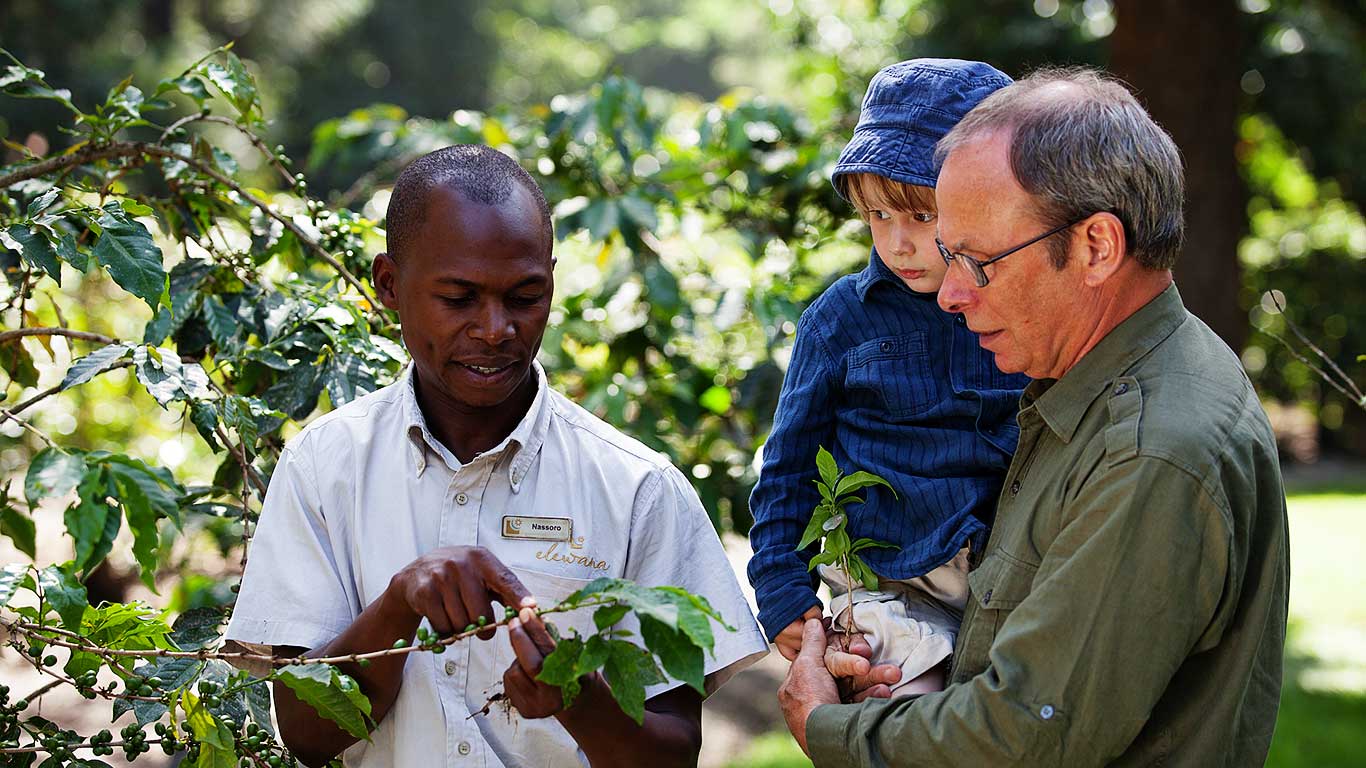
A walk around the workings of the coffee plantation to see how the coffee is grown, harvested, dried, and produced into the aromatic coffee that we drink every day.
Duration of Tour: 1 hour
The Journey of the Coffee Bean Explained.
Ever wondered how the humble coffee bean goes from bush to your cup? Arusha Coffee Lodge – one of the Elewana Collection of lodges, camps and boutique beach hotels in East Africa – offers an exciting and informative 'Coffee Tour' for anyone who wishes to learn the fascinating cycle of the coffee bean.
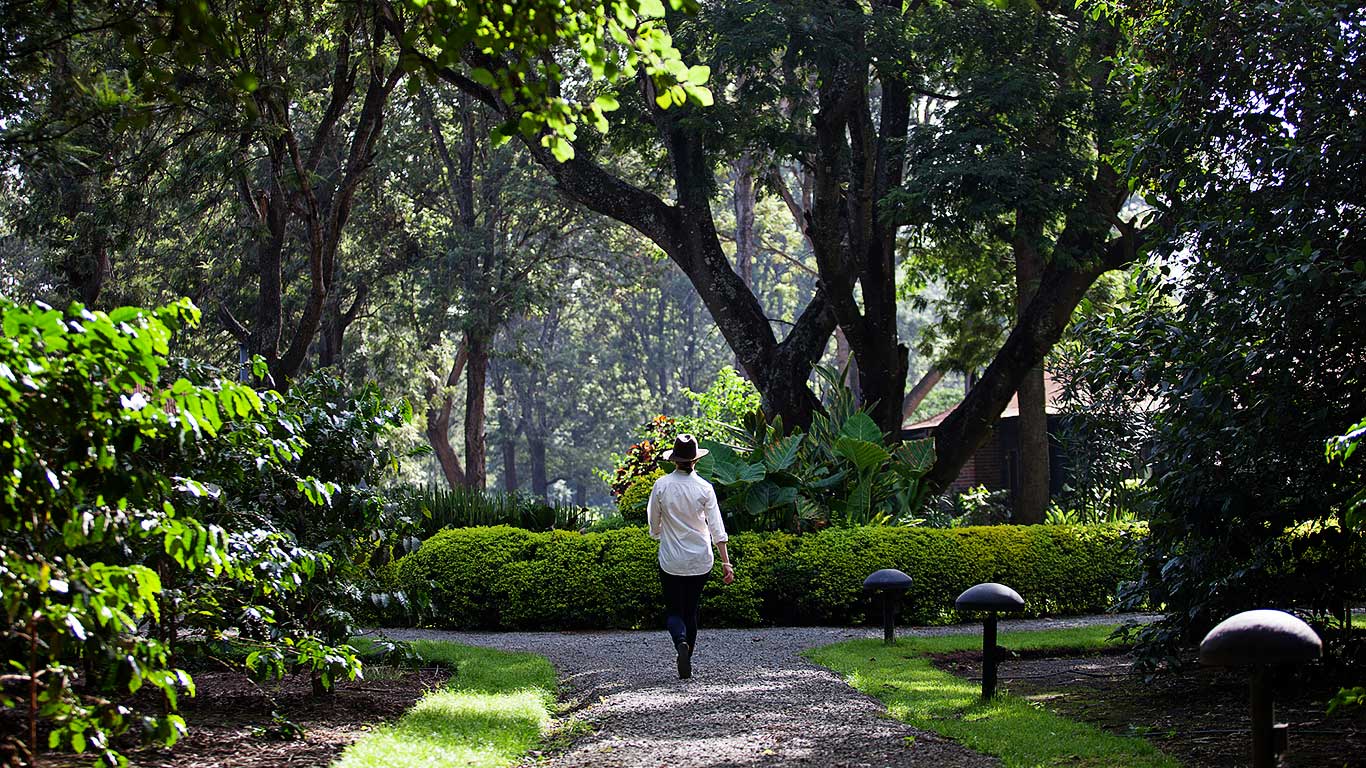
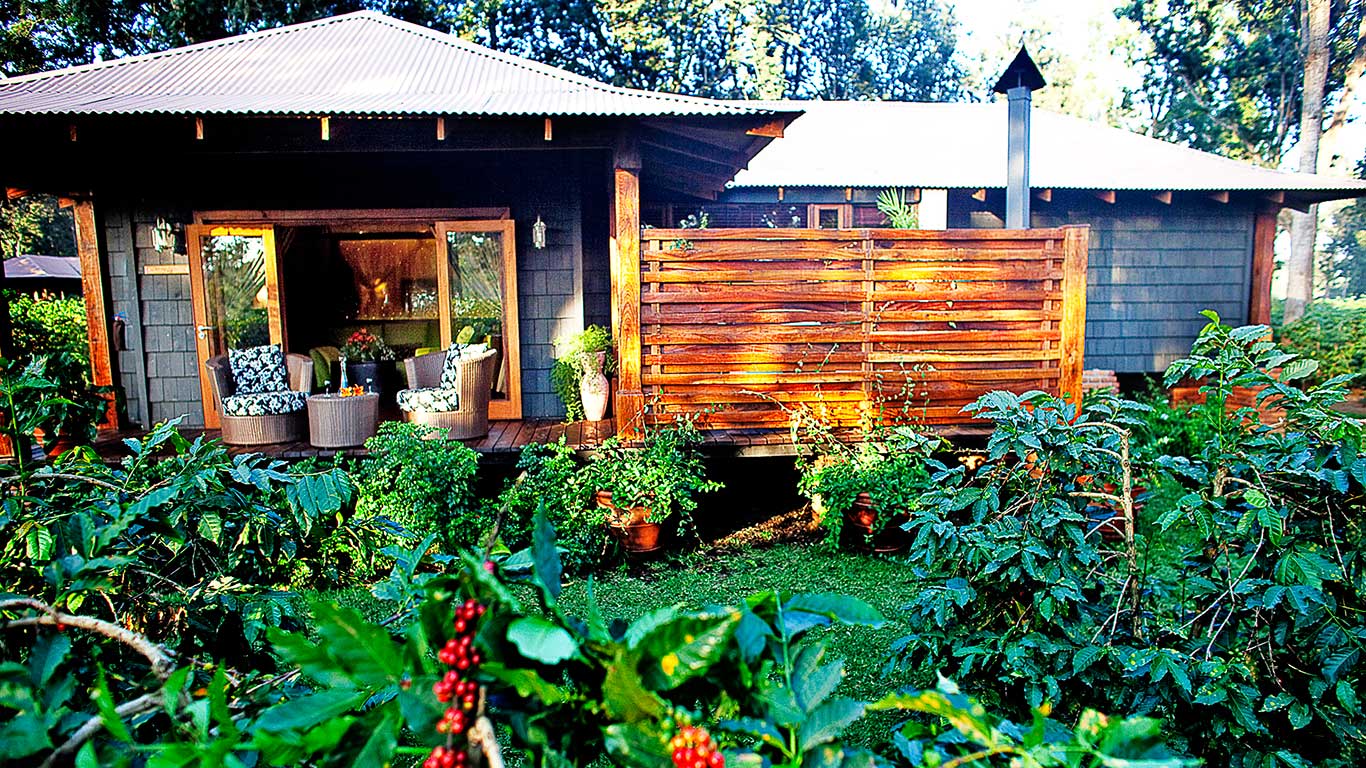
The Tour takes place within the grounds of the Lodge, which itself is located within one of Tanzania’s largest coffee estates. Weaving in and out of the evergreen coffee bushes, the Coffee Guide explains how the bean is nurtured, harvested, dried and finally roasted to produce a myriad of different blends that sate the taste of the most ardent of coffee connoisseurs.
Visit to Arusha National Park
The closest national park to Arusha town – northern Tanzania’s safari capital – Arusha National Park is a multi-faceted jewel, offering the opportunity to explore a beguiling diversity of habitats within a few hours.
The entrance gate leads into shadowy montane forest inhabited by inquisitive blue monkeys and colourful turacos and trogons – the only place on the northern safari circuit where the black-and-white colobus monkey is easily seen.
In the midst of the forest stands the spectacular Ngurdoto Crater, whose steep, rocky cliffs enclose a wide marshy floor dotted with herds of buffalo and warthog.
About Arusha National Park
Size: 552 sq km 212 sq miles).
Location: Northern Tanzania, northeast of Arusha town..
Getting there
An easy 40-minute drive from Arusha. Approximately 60 km (35 miles) from Kilimanjaro International Airport. The lakes, forest and Ngurdoto Crater can all be visited in the course of a half-day outing at the beginning or end of an extended northern safari.
What to do
Forest walks, numerous picnic sites
For more information about the Arusha National Park, visit the tanzaniaparks.com
Arusha City Highlights
If you have time to spare, take advantage of the opportunity to see more of the sights and sounds of Arusha.
Visit to the Museum of Natural History
Only five minutes drive from the Lodge and full of everything you need to know about the country’s history, geography and flora and fauna.
Visit to the Tanzanite Museum
Discover tanzanite, its history, mystery and rarity as you visit the museum. Indulge in tanzanites rich and colourful stories from the mining, to the processing and sorting of tanzanite, as well as the cutting and polishing, all the way down to the finished, sparkling gemstone in your hand.
You are invited into the auditorium, to sit back and relax while finding out all there is to know about the fascinating, unique and intriguing universe of tanzanite.
See first hand how each tanzanite facet is cut to perfection at the in-house Lapidary to ensure maximum brilliance and beauty. For more information, visit tanzaniteexperience.com
Visit to the Maasai Market
This is a one stop shopping area for handicrafts made by local Tanzanians. You get to buy various handicrafts made of ebony, redwood etc and various types of paintings made by local artisans. There is a large scope for bargaining here. Always visit markets with a guide and keep personal possessions close to you.
Visit to the Cultural Center
The Arusha Cultural Heritage Centre is located in Arusha, Tanzania. It is a place where the past and present of the Tanzania's 120-plus tribes can be viewed in a single compound. The centre boasts of various carvings and gemstones, artifacts, clothing and books.
This visit can be organized simply by asking reception at Arusha Coffee Lodge.
Day Trip to Ngorongoro
A day trip to the Ngorongoro Crater will be the highlight of any stay at Arusha Coffee Lodge.
The Ngorongoro Crater, a large, unbroken, unflooded volcanic caldera is the pride of the Ngorongoro Conservation Area. The crater, which formed when a giant volcano exploded and collapsed on itself some two to three million years ago, is 610 m (2,000 ft) deep and its floor covers 260 km2 (100 sq mi).
Estimates of the height of the original volcano range from fifteen to nineteen thousand feet (4500 to 5800 metres) high.
Although thought of as "a natural enclosure" for a very wide variety of wildlife, up to 20% or more of the wildebeest and half the zebra populations vacate the Crater in the wet season. However, a side effect of this enclosure is that there is a resident population of Ngorongoro lions.
For further information regarding these excursions please feel free to contact us at This email address is being protected from spambots. You need JavaScript enabled to view it.